This is default featured slide 1 title

Go to Blogger edit html and find these sentences.Now replace these sentences with your own descriptions.

This is default featured slide 2 title

Go to Blogger edit html and find these sentences.Now replace these sentences with your own descriptions.

This is default featured slide 3 title

Go to Blogger edit html and find these sentences.Now replace these sentences with your own descriptions.

This is default featured slide 4 title

Go to Blogger edit html and find these sentences.Now replace these sentences with your own descriptions.

This is default featured slide 5 title

Go to Blogger edit html and find these sentences.Now replace these sentences with your own descriptions.

Friday, 28 September 2018

My Health - Drip bar: Should you get an IV on demand?

For many people receiving care in a hospital or emergency room, one of the most common occurrences (and biggest fears) is getting an IV, the intravenous catheter that allows fluids and medications to flow into a vein in your arm or hand.

A trained health professional puts in an IV by sticking a needle that’s inside a thin tube (catheter) through the skin into a vein. Once inside the vein, the needle is removed. The catheter is left in the vein and taped down to keep it from moving or falling out. While IV lines are typically painless, the initial needle stick can be quite painful, especially for those who are a “difficult stick” (when the needle misses the vein, requiring multiple attempts).

IVs can be medically needed when the digestive system isn’t working well, to receive more fluids than you’re able to drink, to receive blood transfusions, to get medication that can’t be taken by mouth, and for a host of other treatments. In cases of massive bleeding, overwhelming infection, or dangerously low blood pressure, IV treatments can dramatically increase the chances of survival.

Drip bars: IVs on demand

And this brings us to a relatively new trend: the option to receive IV fluids even when it’s not considered medically necessary or specifically recommended by a doctor. In many places throughout the US, you can request IV fluids and you’ll get them. A nurse or physician’s assistant will place an IV catheter in your arm and you’ll receive IV fluids right at home, in your office, or at your hotel room. There’s even a mobile “tour bus” experience that administers the mobile IV hydration service. Some services offering IV hydration include a “special blend of vitamins and electrolytes,” and, depending on a person’s symptoms (and budget), an anti-nausea drug, a pain medication, heartburn remedies, and other medications may be provided as well.

And no, it’s not covered by your health insurance — more on the cost in a moment.

Why would anyone do this?

When I first heard about this, that’s the question I asked. Why, indeed? People may seek out IV fluids on demand for:

  • hangovers
  • dehydration from the flu or “overexertion”
  • food poisoning
  • jet lag
  • getting an “instant healthy glow” for skin and hair

Many of the early adopters of this new service have been celebrities (and others who can afford it) including Kate Upton, Kim Kardashian, Simon Cowell, and Rihanna. Or so I’ve read.

Are IV fluids effective or necessary for these things?

Some people who get the flu (especially the very young and very old) need IV fluids, but they’re generally quite sick and belong in a medical facility. Most people who have exercised a lot, have a hangover, jet lag, or the flu can drink the fluids they need. While I’m no beauty expert, I doubt that IV fluids will improve the appearance of a person who is well-nourished and well-hydrated to start with.

And it’s worth emphasizing that the conditions for which the IVs-on-demand are offered are not conditions caused by dehydration or reversed by hydration. For example, jet lag is not due to dehydration. And while oral fluids are generally recommended for hangover symptoms (among other remedies), dehydration is not the only cause of hangover symptoms.

Finally, there’s a reasonable alternative to IV fluids: drinking fluids. If you’re able to drink fluids, that’s the best way to get them. If you’re too sick to drink and need rehydration, you should get care at a medical facility.

Is it worth going to a drip bar?

I’ll admit I’m skeptical. (Could you tell?) It’s not just that I’m a slow adopter (which is true) or that I’m dubious of costly treatments promoted by anecdotes on fancy websites (which I am). What bothers me is the lack of evidence for an invasive treatment. Yes, an intravenous treatment of fluid is somewhat invasive. The injection site can become infected, and a vein can become inflamed or blocked with a clot (a condition called superficial thrombophlebitis). While these complications are uncommon, even a small risk isn’t worth taking if the treatment is not necessary or helpful.

I can see how the idea of IV fluids at home might seem like a good idea. We hear all the time about how important it is to drink enough and to remain “well-hydrated.” It’s common to see people carrying water bottles wherever they go; many of them are working hard to drink eight glasses of water a day, though whether this is really necessary is questionable.

And then there’s the power of the stories people tell (especially celebrities) describing how great they felt after getting IV fluid infusions. If you have a friend who says they feel much better if they get IV fluids to treat (or prevent) a hangover, who am I to say they’re wrong? The same can be said for those who believe they look better after getting IV fluids as part of getting dolled up for a night on the town.

What about the cost?

While the benefits of IV fluids on demand are unproven and the medical risks are low (but real), the financial costs are clear. For example, one company offers infusions for $199 to $399. The higher cost is for fluids with various vitamins and/or electrolytes and other medications. Keep in mind that the fluids and other therapies offered can be readily obtained in other ways (drinking fluids, taking generic vitamins, and other over-the-counter medications) for only a few bucks.

The bottom line on drip bars

In recent years, more and more options have become available to get medical tests or care without actually having a specific medical reason and without the input of your doctor. MRIs, ultrasounds and CT scans, recreational oxygen treatment, and genetic testing are among the growing list of options that were once impossible to get without a doctor’s order. While patient empowerment is generally a good thing, IV fluids on demand may not be the best example. Some of these services are much more about making money for those providing the service than delivering a product that’s good for your health.

As for me, I’ll pass on the IV fluid option — unless, of course, my doctor recommends it.

Follow me on Twitter @RobShmerling

The post Drip bar: Should you get an IV on demand? appeared first on Harvard Health Blog.


from Harvard Health Blog https://ift.tt/2QedhDC
Original Content By : https://ift.tt/1UayBFY

Thursday, 27 September 2018

My Health - Parents: Don’t use a baby walker

In Canada, the sale of baby walkers is banned. The American Academy of Pediatrics (AAP) would like the same to be true in the US.

Why? Because baby walkers are dangerous. According to a study in the journal Pediatrics, between 1990 and 2014, more than 230,000 children less than 15 months of age were treated in US emergency departments for injuries related to walkers. The majority of injuries happen when children fall down stairs in a walker, usually injuring their head or neck, sometimes seriously.

But it’s not just stairs that can be a problem. Children in walkers can get their fingers caught, pull things down on themselves, or grab dangerous things (such as sharp objects or hot liquids) that would otherwise be out of their reach. Children can fall out of walkers and get hurt — and have drowned when they scooted into a pool or spa. There have also been injuries from toys attached to a baby walker.

Between 1990 and 2003, baby walker injuries decreased by 84.5%, as voluntary safety standards were instituted, and more families started to buy standers that didn’t move. In 2010 mandatory federal safety standards took effect. Among other things, the standards include measures to help prevent walkers from falling down stairs or tipping over, and to ensure that babies inside them are well-supported and can’t get stuck inside them. The rules also require a parking brake, to keep the walker more stationary, and have standards for the wheels themselves to keep the walkers safer. Even still, in 2014 2,000 toddlers were seen in emergency rooms for injuries due to walkers.

So why would parents use a baby walker?

Some parents buy them because they think that walkers help babies learn to walk faster. However, the opposite is true: using a walker can delay independent walking. That’s because learning to walk isn’t so much about learning to use your legs. It’s more about learning to pull to stand and then balance and take steps without support. When babies are plopped into walkers, they don’t learn any of that. They learn it by being put on the floor with something they can pull up on, like a couch or a caregiver.

The other reason is that babies like them and will play happily in them. This is absolutely true. Starting at around 6 months babies love to be upright — and love to be mobile, so that they can explore and be in the thick of things. However, there are other and safer ways to get babies upright, such as in stationary standers. As for mobility, the inconvenient truth is that not only do babies need to learn mobility by themselves, they need constant supervision as they do. Walkers can give caregivers a false sense of security and make them think that they don’t need to be within arm’s reach of the baby — when not only is that exactly where they need to be, it’s where babies want them to be.

So just say no to a baby walker. It isn’t worth the risk.

Follow me on Twitter @drClaire

The post Parents: Don’t use a baby walker appeared first on Harvard Health Blog.


from Harvard Health Blog https://ift.tt/2xIExn0
Original Content By : https://ift.tt/1UayBFY

Wednesday, 26 September 2018

My Health - What is a plant-based diet and why should you try it?

Plant-based or plant-forward eating patterns focus on foods primarily from plants. This includes not only fruits and vegetables, but also nuts, seeds, oils, whole grains, legumes, and beans. It doesn’t mean that you are vegetarian or vegan and never eat meat or dairy. Rather, you are proportionately choosing more of your foods from plant sources.

Mediterranean and vegetarian diets

What is the evidence that plant-based eating patterns are healthy? Much nutrition research has examined plant-based eating patterns such as the Mediterranean diet and a vegetarian diet. The Mediterranean diet has a foundation of plant-based foods; it also includes fish, poultry, eggs, cheese, and yogurt a few times a week, with meats and sweets less often.

The Mediterranean diet has been shown in both large population studies and randomized clinical trials to reduce risk of heart disease, metabolic syndrome, diabetes, certain cancers (specifically colon, breast, and prostate cancer), depression, and in older adults, a decreased risk of frailty, along with better mental and physical function.

Vegetarian diets have also been shown to support health, including a lower risk of developing coronary heart disease, high blood pressure, diabetes, and increased longevity.

Plant-based diets offer all the necessary protein, fats, carbohydrates, vitamins, and minerals for optimal health, and are often higher in fiber and phytonutrients. However, some vegans may need to add a supplement (specifically vitamin B12) to ensure they receive all the nutrients required.

Vegetarian diet variety

Vegetarian diets come in lots of shapes and sizes, and you should choose the version that works best for you.

  • Semi-vegetarian or flexitarian includes eggs, dairy foods, and occasionally meat, poultry, fish, and seafood.
  • Pescatarian includes eggs, dairy foods, fish, and seafood, but no meat or poultry.
  • Vegetarian (sometimes referred to as lacto-ovo vegetarian) includes eggs and dairy foods, but no meat, poultry, fish, or seafood.
  • Vegan includes no animal foods.

8 ways to get started with a plant-based diet

Here are some tips to help you get started on a plant-based diet.

  1. Eat lots of vegetables. Fill half your plate with vegetables at lunch and dinner. Make sure you include plenty of colors in choosing your vegetables. Enjoy vegetables as a snack with hummus, salsa, or guacamole.
  2. Change the way you think about meat. Have smaller amounts. Use it as a garnish instead of a centerpiece.
  3. Choose good fats. Fats in olive oil, olives, nuts and nut butters, seeds, and avocados are particularly healthy choices.
  4. Cook a vegetarian meal at least one night a week. Build these meals around beans, whole grains, and vegetables.
  5. Include whole grains for breakfast. Start with oatmeal, quinoa, buckwheat, or barley. Then add some nuts or seeds along with fresh fruit.
  6. Go for greens. Try a variety of green leafy vegetables such as kale, collards, Swiss chard, spinach, and other greens each day. Steam, grill, braise, or stir-fry to preserve their flavor and nutrients.
  7. Build a meal around a salad. Fill a bowl with salad greens such as romaine, spinach, Bibb, or red leafy greens. Add an assortment of other vegetables along with fresh herbs, beans, peas, or tofu.
  8. Eat fruit for dessert. A ripe, juicy peach, a refreshing slice of watermelon, or a crisp apple will satisfy your craving for a sweet bite after a meal.

Inspiration for plant-based eating throughout the day

Over time, eating a plant-based diet will become second nature. Here are some ideas to get you started.

Breakfast:

  • Rolled oats with walnuts, banana, and a sprinkle of cinnamon.
  • Breakfast wrap: Fill a whole-wheat tortilla with scrambled egg, black beans, peppers, onions, Monterey jack cheese, and a splash of hot sauce or salsa.
  • Whole-wheat English muffin topped with fresh tomato and avocado slices, and blueberries.

Lunch:

  • Greek salad: Chopped mixed greens with fresh tomato, Kalamata olives, fresh parsley, crumbled feta cheese, extra virgin olive oil, and balsamic vinegar. Whole-wheat pita on the side, fresh melon for dessert.
  • Tomato basil soup, whole-grain crackers with tabbouleh, and an apple.
  • Vegetarian pizza topped with mozzarella cheese, tomatoes, broccoli, onions, peppers, and mushroom. Fresh strawberries for dessert.

Dinner:

  • Grilled vegetable kabobs with grilled tofu, and a quinoa and spinach salad.
  • Whole-wheat pasta with cannellini beans and peas, and a romaine salad with cherry tomatoes, dressed with extra virgin olive oil and balsamic vinegar.
  • Vegetarian chili with a spinach-orzo salad.

The post What is a plant-based diet and why should you try it? appeared first on Harvard Health Blog.


from Harvard Health Blog https://ift.tt/2R0U0qn
Original Content By : https://ift.tt/1UayBFY

Tuesday, 25 September 2018

My Health - Aspirin for primary prevention of cardiovascular disease, part 2

Well, it seems as though not even a week can go by without more data on aspirin! I recently reviewed the ARRIVE trial and the implications for primary prevention — that is, trying to prevent heart attacks and strokes in otherwise healthy people. Since then, yet another large clinical trial — the ASPREE study — has come out questioning the use of aspirin in primary prevention. Three articles pertaining to this trial were published in the prestigious New England Journal of Medicine, which is an unusual degree of coverage for one trial and highlights its immediate relevance to clinical practice.

Aspirin still strongly indicated for secondary prevention

Nothing about any of the new aspirin data, including ASPREE, pertains to secondary prevention, which refers to use of aspirin in patients with established cardiovascular disease. Examples include a prior heart attack or certain types of stroke, previous stents or bypass surgery, and symptomatic angina or peripheral artery disease. In general, in patients with a history of these conditions, the benefits of aspirin in reducing cardiovascular problems outweigh the risks. Chief among these is a very small risk of bleeding in the brain, and a small risk of life-threatening bleeding from the stomach.

ASPREE study suggests no benefit from aspirin in primary prevention

ASPREE randomized 19,114 healthy people 70 or over (65 or over for African Americans and Hispanics) to receive either 100 milligrams of enteric-coated aspirin or placebo. After an average of almost five years, there was no significant difference in the rate of fatal coronary heart disease, heart attack, stroke, or hospitalization for heart failure. There was a significant 38% increase in major bleeding with aspirin, though the actual rates were low. The serious bleeding included bleeding into the head, which can lead to death or disability. Again, the actual rates were very low, but they are still a concern when thinking of the millions of patients to whom the ASPREE results apply.

Rates of dementia were also examined, and again, there was no benefit of aspirin. Quite unexpectedly, there was a significantly higher rate of death in the patients taking aspirin. This had not been seen in prior primary prevention trials of aspirin, so this isolated finding needs to be viewed cautiously. Still, with no benefits, increased bleeding, and higher mortality, at least in this population of older healthy people, aspirin should no longer be routinely recommended.

Another unexpected finding in ASPREE was a significantly higher rate of cancer-related death in the people randomized to aspirin. The prior thinking had been that aspirin might actually prevent colon cancer, though generally after many more years of being on aspirin. The ASPREE trial was terminated early due to lack of any apparent benefits. And even though five years is a relatively long period of follow-up, it may not have been long enough to find a benefit on cancer. Thus, the increase in cancer deaths may be a false finding. Nevertheless, the overall picture from this trial is not a compelling one for aspirin use for prevention of either cardiac or cancer deaths.

Should healthy people take a daily aspirin?

In general, the answer seems to be no — at least not without first consulting your physician. Despite being available over the counter and very inexpensive, aspirin can cause serious side effects, including bleeding. This risk goes up with age. So, even though it seems like a trivial decision, if you are healthy with no history of cardiovascular problems, don’t just start taking aspirin on your own.

However, there are likely select healthy patients who have a very high risk of heart attack based on current smoking, family history of premature heart attacks, or very elevated cholesterol with intolerance to statins, for example, who might benefit. Therefore, the decision to start aspirin should involve a detailed discussion with your physician as part of an overall strategy to reduce cardiovascular risk. If you are already taking aspirin for primary prevention, it would be a good idea to meet with your physician and see if you might be better off stopping.

Follow me on Twitter @DLBHATTMD

The post Aspirin for primary prevention of cardiovascular disease, part 2 appeared first on Harvard Health Blog.


from Harvard Health Blog https://ift.tt/2xOauJH
Original Content By : https://ift.tt/1UayBFY
Monday, 24 September 2018

My Health - Leaving time for last words

I was called to your room in the middle of an overnight shift. There you were, breathing quickly, neck veins bulging and oxygen levels hovering despite the mask on your face. I placed my stethoscope on your back and listened to the cacophony of air struggling to make its way through your worsening pneumonia.

“We’re going to place a tube down your throat to help you breathe,” I told you.

Your eyes were pleading, scared. “We’ll put you to sleep. It’ll help you breathe more comfortably. Okay?”

You nodded. You had already told the doctors who cared for you during the day that if your breathing worsened, you would agree to intubation to allow more time to treat your pneumonia. So I called for the anesthesiologists. Minutes later, you were sedated and intubated, silenced — maybe forever.

I thought about you recently, when I read a poignant Perspective in JAMA Internal Medicine: “Saving a Death When We Cannot Save a Life in the Intensive Care Unit.” In this piece, critical care doctor Michael Wilson relates the story of a woman in the ICU who was electively intubated for a procedure and then died, without ever having had the opportunity for her loved ones to say goodbye.

Fueled by his feelings of regret over this and similar cases, Wilson argues for a different approach to intubation, which he likens to the talk a parent has with a child who is going off to war. Of course, these parents hope their children will come back safely, but they are given the chance to say what they want to say — knowing the conversation might be their last. Wilson suggests that we might build a similar pause into our protocols before intubation, lest we unwittingly deprive our patients of the opportunity for a final exchange with their loved ones. “Stealing the opportunity for meaningful last words is precisely the kind of avoidable complication that ought to be visible to us in the ICU,” Wilson writes. “My intubation checklist now includes this step.” In doing so, Wilson suggests that we might be able to “save a death” even if we are ultimately unable to save a life.

Reading this piece, I’m left with the image of Wilson’s patients — both the one who never had the chance to say goodbye, and another woman he describes who was given the chance to say “I love you” to her husband — and also of my own patients. It is too easy, in the heat of the moment, to forget that this patient before us is a person. How many times have I decided on intubation, ordered the appropriate medications, prepared for complications, but not taken pause to allow my patient to talk to a loved one?

I only took care of you for the night, as the physician on call. Though I remember your face, I do not remember your name and I don’t know what happened to you. Maybe the breathing tube came out in a day or two, and you were able to talk to your family once again. Or maybe it did not. Maybe your pneumonia worsened and you died, there in our ICU. It has been months since that night, and I can’t know. But I do wish, now, that I had paused and given you that chance.

The post Leaving time for last words appeared first on Harvard Health Blog.


from Harvard Health Blog https://ift.tt/2I9apFa
Original Content By : https://ift.tt/1UayBFY

Friday, 21 September 2018

My Health - 5 tips for the farmers market

It’s peak farmers market season and the stalls are overflowing with piles of attractively arranged yummy fruits and veggies. Buying local and eating organic sounds good, but there are so many choices, and it’s easy to overspend.

Here are five tips to help you get the most bang for your buck at the stalls this fall:

Is it really local?

Not all farm stands represent your local farmers. There are a few ways to tell. The market in our town features an online newsletter, and every week, they send out a list of farmers market vendors. Most have a link, and it’s easy to see which ones are truly local family farms. Other ways to tell if the vendors aren’t local include large produce distributor trucks, or produce that’s out-of-season, packaged in plastic, or from another climate. If you see any of those things, then chances are Big Agro is muscling in on the local food movement.

Is it really organic?

It’s okay to ask. Many farms use pesticides, for many reasons. Organic farming is hard. Natural produce is also natural-looking, and customers used to seeing perfect produce in the grocery store can be turned off by irregular shapes and harmless spots. Here’s the thing: flawless and shiny fruits and veggies are more likely to contain pesticide residue, as well as be coated with chemicals like petroleum jelly and mineral oil.

Does it matter if it’s organic?

There is evidence suggesting that pesticides not only interfere with fertility, but also are harmful to the developing brain. For women desiring pregnancy, pregnant and breastfeeding women, and young children, it’s a good idea to avoid pesticide residues in food by choosing organic. (The Harvard T.H. Chan School of Public Health has a good review on this topic.) But some plants accumulate more chemicals than others. The nonprofit Environmental Working Group (EWG) has researched pesticide accumulation in various conventionally grown fruits and vegetables, and has published lists of the most contaminated that should be avoided (titled The Dirty Dozen), as well as the least contaminated and safest (The Clean Fifteen). Here’s a summary of both lists for late summer/early fall: Stick to only organic tomatoes, apples, peaches, sweet and hot peppers, but feel comfortable with conventional sweet corn, eggplant, cauliflower, and broccoli.

Do I have to spend a lot of money?

No! If you have a plan and a set spending amount, you’re less likely to bust your budget. My family and I go the market with a $20 limit, and a strategy (which I’ve also written about on my own blog). Buy only a few items, such as produce that is in peak season, high-quality cheeses, or hard-to-find specialty products. Have a plan for how you will use your bounty: I often go in with a specific recipe in mind. There are also bargains to be had: look for fresh herbs, which tend to come in bigger bunches and cost far less than at the grocery store. Some stands will also have markdown items, such as perfectly ripe tomatoes with squishy spots, or bruised peaches. I’ll snatch these up and make marinara sauce and peach cobbler!

How do I find a market?

The United States Department of Agriculture features the National Farmers Market Directory. Check it out!

Not sure what to make with what’s in season? Here are a couple of simple recipes that use only a few ingredients:

Simple Southwestern Salad

This bright, light salad lets sweet corn, flavorful tomatoes, and fresh cilantro shine. This goes very well with grilled food or your next taco party. What we do: When we make sweet corn on the cob, we make extra, so that leftover can be used in salads like this. Cheating is OK here too: If sweet corn is not in season, you can use plain frozen corn niblets.

  • 4 large tomatoes (about 1 ½ lbs), diced. (This will yield about 4 cups diced tomatoes.)
  • 1 medium bunch fresh cilantro, stems removed, finely chopped. (This will yield about ½ cup packed chopped leaves.)
  • 1 small head Romaine lettuce (about 3/4 lb), trimmed and chopped. (This yields about five cups chopped lettuce.)
  • The juice from two large limes (reconstituted is fine). (This yields about 4 tablespoons juice.)
  • 2 tbsp extra virgin olive oil
  • A pinch of salt.
  1. Put the corn kernels, tomatoes, cilantro, lettuce, and lime juice in a bowl and toss very well. The goal is to get everything coated with lime juice.

  2. Add the olive oil and salt and toss. Serve immediately.

Lemon-Marinated Kale and Carrot Salad

This simple salad is rich in flavor and nutrients. Better yet, it can (and should) be made ahead, so it’s the perfect choice next time you’re invited to a potluck, picnic, or barbecue. If you’d prefer a vegan version, omit the Asiago and add in an equal amount of toasted nuts of your choice.

  • 1 head (approx. 1 lb), kale, trimmed and roughly chopped. ( After trimming and chopping, this will equal about 5 packed cups.)
  • 2 large carrots (approx ½ lb.), grated. (After grating, this will equal about 2 cups.)
  • The juice from two large lemons. (This will yield about 1/3 cup juice.)
  • 3 tbsp Asiago cheese (grated) ((Parmesan or Romano can work well here too))
  • 2 tbsp extra virgin olive oil
  1. Put the chopped kale, grated carrots, and lemon juice in a very large mixing bowl and mix together. There is no need to “massage” the kale, as is often called for in kale salad recipes. Just ensure it is well-coated with the lemon juice. Cover and let sit for at least thirty minutes and up to overnight.

  2. Just before serving, toss with the olive oil and then sprinkle with the cheese. Serve.

The post 5 tips for the farmers market appeared first on Harvard Health Blog.


from Harvard Health Blog https://ift.tt/2PWA0nL
Original Content By : https://ift.tt/1UayBFY

Thursday, 20 September 2018

My Health - Aspirin for primary prevention of cardiovascular disease?

Surprisingly, one of the most controversial areas in preventive medicine is whether or not people without known cardiovascular disease should take a daily aspirin for primary prevention. That is, should you take aspirin to reduce the risk of heart attack, unstable angina, stroke, transient ischemic attack, or death from cardiovascular causes? You would think that we would know the answer by now for a medicine as commonly used as aspirin.

Aspirin has unquestioned benefit for secondary prevention

Before considering the impact of aspirin in people without cardiovascular disease, it is first important to clarify uses for aspirin that are not up for debate. In people who have had a heart attack or certain types of stroke, the use of aspirin to prevent a second event — potentially a fatal one — is firmly established. These uses of aspirin are called secondary prevention. Similarly, in people who have had stents or bypass surgery, lifelong daily aspirin is typically warranted. While there is a very small risk that aspirin can cause bleeding in the brain, and a small risk it can cause life-threatening bleeding such as from the stomach, in general the risks are worth it in the setting of secondary prevention.

ARRIVE study suggests no benefit from aspirin in primary prevention

Primary prevention refers to trying to prevent the first event, such as heart attack or stroke (or dying from these causes). In this setting, the actual risks of a cardiovascular event are much lower, though the bleeding risks persist. Therefore, the margin of potential benefit is much more narrow.

Recently in Munich, at the European Society of Cardiology conference — now the world’s largest cardiology meeting — important results pertaining to aspirin in primary prevention arrived in the form of the ARRIVE trial. This clinical trial randomized over 12,000 patients to either 100 milligrams (mg) of coated aspirin daily or to a placebo (a blank). Overall, after an average of five years of following these patients, the trial did not show a significant benefit for aspirin, though there was a significant increase in gastrointestinal bleeding. There were no significant differences in the rates of deaths, heart attacks, or strokes.

Digging a bit more deeply into the results, the enrolled patients ended up being at much lower cardiovascular risk than the researchers had intended. Thus, it is possible that in a higher-risk population with a greater rate of cardiovascular events, aspirin may have been useful. Furthermore, many patients stopped taking their aspirin, diluting the potential to see a benefit. In patients who actually took their assigned aspirin, there was in fact a significant reduction in the rates of heart attack. However, these types of “on treatment” analyses should be viewed cautiously, as it would of course exclude patients who had bleeding complications or other side effects that may have led to aspirin discontinuation.

Aspirin is not currently labeled for use in primary prevention. In fact, based on trials prior to ARRIVE, the US FDA did not feel the data were robust enough to give aspirin this indication for use. It seems unlikely that they will change that opinion on the basis of ARRIVE.

One notable group excluded from ARRIVE was people with diabetes. A separate randomized trial called ASCEND was presented at the European Society of Cardiology conference. This study did find a significant reduction in adverse cardiovascular outcomes with daily aspirin in people with diabetes, though there was also a similar magnitude of increased major bleeding. Still, many people would rather be hospitalized for bleeding and get a transfusion versus being hospitalized for a heart attack that causes permanent damage to the heart. Others may not see much difference between the two types of events and may prefer not to take an additional medication.

Should you take a daily aspirin?

So, where does this leave the average person who is worried about a heart attack and wants to do everything they can to reduce that risk? Again, for people with cardiovascular disease — secondary prevention — nothing about ARRIVE pertains to you. For otherwise healthy people at elevated risk for heart disease or stroke, make sure not to smoke, maintain a healthy weight and diet, and control elevated blood pressure and cholesterol with medications if needed. If you have diabetes, make sure that is controlled with diet and medications if diet alone is insufficient.

The decision to start daily aspirin in otherwise healthy people is quite complex, with potential benefits and actual risks that on average are rather similar. Serious bleeding may occur. Online risk calculators (such as www.cvriskcalculator.com) might be somewhat useful in more objectively calculating the degree of cardiovascular risk. However, in the absence of diabetes, most otherwise healthy people should probably not be taking a daily aspirin to prevent heart attacks.

In the future, if randomized evidence supports it, imaging tests that gauge the degree of silent atherosclerosis (plaque buildup in the arteries that is not causing symptoms) may help decide if a patient should be reclassified from primary to secondary prevention. Other analyses from the large ASPREE trial are ongoing, should report soon, and may further tip the scales. For now, healthy people without atherosclerosis should not just take aspirin on their own without consulting their doctor first.

Follow me on Twitter @DLBHATTMD

The post Aspirin for primary prevention of cardiovascular disease? appeared first on Harvard Health Blog.


from Harvard Health Blog https://ift.tt/2QL7ypS
Original Content By : https://ift.tt/1UayBFY

Wednesday, 19 September 2018

My Health - Alcohol and your health: Is none better than a little?

It’s complicated.

That’s the best way to describe the relationship between alcohol and health. As I’ve written about before, a number of studies have demonstrated health benefits with lower amounts of drinking. But if you drink too much alcohol (especially at inopportune times), there may be significant harms as well. Just how these balance out remains a matter of some debate and controversy.

While it’s easy to say “too much alcohol is bad for you” (and then point out the litany of harms caused by alcohol, such as liver disease and motor vehicle accidents), it’s harder to answer these simple but important questions:

  • Just how much is too much?
  • Is there a health benefit to some drinking compared with none?

These are more than just interesting questions for researchers to study. The answers could guide recommendations of doctors, public health officials, and policy makers throughout the world — and they could save millions of lives.

But so far, the answers vary depending on the study. And perhaps that should not be too surprising since study methods differ widely. For example, the definition of “one drink” in the US is 14 grams of alcohol, as found in a 12-ounce bottle of beer, 5-ounce glass of wine, or 1.5-ounce shot glass of distilled spirits. In other countries, and in many research studies, a different definition is used.

Recent studies on alcohol and health

In June of 2018, a study published in the journal PLOS Medicine found that among older adults, light drinking (in the range of one to four drinks per week) was associated with a slightly lower risk of death compared with zero consumption.

In August of 2018, two larger studies examined the impact of alcohol. The first one, published in The Lancet, included only people who drank at least some alcohol. It concluded that common recommendations regarding “moderate” drinking (one drink a day or less for women, and two drinks per day or less for men) might be too much.

The second study, also published in The Lancet, was even bigger. It examined data from hundreds of studies and other sources (including sales of alcohol, home-brewed alcoholic beverage consumption, and even estimates of tourist consumption) in 195 locations. And it analyzed the overall health impact related to alcohol consumption, including death and disability due to automobile accidents, infectious diseases, cancer, and cardiovascular disease. It concluded that the best option for overall health was no drinking at all. Of note, the definition of “a drink” in this study was 10 grams of alcohol — that’s 30% less than a standard drink in the US, but 25% more than a standard drink in the UK.

Here are more details about what they found:

  • Alcohol use was the seventh leading cause of death and disability worldwide in 2016; about 2% of female deaths and 7% of male deaths (2.8 million deaths in total) were considered alcohol-related.
  • For those ages 15 to 49, alcohol was the leading risk factor for death and disability worldwide. Tuberculosis, road injuries, and self-harm were the top causes (the risk of each of these conditions is higher if you drink enough).
  • For older adults, cancers related to alcohol use were the top causes of death.
  • In general, health risks rose with rising amounts of alcohol use. However, some protective effect related to light drinking (less than one drink/day) was observed for heart disease and diabetes in some groups. For example, the risk of heart attack and related cardiovascular disease was 14% lower for men drinking 0.8 drinks/day, and 18% lower for women drinking 0.9 drinks/day compared with none.

From this, the study’s authors concluded that while light drinking might have a modest protective effect for certain conditions among certain people, “Our results show that the safest level of drinking is none.”

Is there another way to look at this?

As I look at the study data, I interpret it differently. True, the data does not confirm a protective effect of light drinking. But the health risks were low, and quite similar at levels between zero to one drink per day. That suggests that zero consumption may not necessarily be best, or any better than several drinks per week. In addition, this study (and others like it) is based on a large number of people, which is helpful to detect trends but can overlook important individual factors. In other words, some people may be harmed or helped more by alcohol consumption than others.

Is zero alcohol a realistic option?

It’s worth acknowledging that regardless of how you interpret this study or whether researchers encourage “zero alcohol” as the best health option, the findings are quite unlikely to lead to zero alcohol consumption. After all, many people are more than willing to accept some health risks associated with drinking because they like to drink! Alcohol can encourage social interaction (which is why it’s often called a “social lubricant”), it is part of many religious traditions, and it’s a source of regular enjoyment for millions of people. And the fact is, most people “get away” with moderate drinking without suffering any major health consequences. As one expert said when interviewed about this study: “There is no safe level of driving, but governments do not recommend that people avoid driving.”

Should you stop drinking?

My take on these new studies is this: if you don’t like to drink alcohol, this latest research gives you no “medicinal” reason to start. But, if you drink lightly (and responsibly) and you have no health problems related to it, this study and other recent research is reassuring.

Clearly there are good reasons to discourage excessive alcohol consumption, driving drunk, and other avoidable alcohol-related trouble. But is “zero consumption” really where we should be aiming? I’m not so sure. I think it’s much more complicated than that.

If your interpretation of this research is different, let me know!

The post Alcohol and your health: Is none better than a little? appeared first on Harvard Health Blog.


from Harvard Health Blog https://ift.tt/2xjUDTO
Original Content By : https://ift.tt/1UayBFY

Tuesday, 18 September 2018

My Health - School refusal: When a child won’t go to school

The transition back to school each fall is challenging for many families. But some children and teens feel so much emotional distress that they may repeatedly balk at attending school or staying there — a problem known as school refusal, or school avoidance if it occurs consistently. Ways to identify school refusal and tips on responding to it quickly are described below.

What is school refusal?

Shifting from a more relaxed summer routine to early wake-ups, hours in class, and dreaded homework makes many students feel mildly anxious or cranky during the early weeks of a new school year. For some students, however, school feels so difficult and overwhelming that they experience significant, distressing anxiety around attending and staying in school. To relieve this anxiety, a child or teen may begin to avoid school.

School refusal can take many forms. It can include behaviors like frequently struggling to arrive at school on time, leaving before the school day ends, or not attending school at all. Headaches, fatigue, stomachaches, and other physical symptoms of anxiety may make it hard to get off to school in the morning or make it feel necessary to leave early.

School avoidance allows a child or teen to escape distressing aspects of the school day, which provides immediate short-term relief. However, when a student continues to miss school, returning can feel harder and harder as she falls behind academically and starts to feel socially disconnected from classmates and teachers. Additionally, the child doesn’t get the chance to learn that it’s possible to handle school-related anxiety and cope with any challenges the school day brings. This can keep her stuck in a vicious cycle of school avoidance.

What can parents do to help stop the cycle of school refusal?

  • Step in quickly. Missed schoolwork and social experiences snowball, making school avoidance a problem that grows larger and more difficult to control as it rolls along. Be on the lookout for any difficulties your child might have around attending school on time and staying for the full day. If the problem lasts more than a day or two, step in.
  • Help identify issues. Try to find out why your child is avoiding school. Gently ask, “What is making school feel hard?” Is your child struggling socially or being bullied? Afraid of having a panic attack in the classroom? Worried about his academic performance or public speaking? Fearful of being separated from her parents for a full day?
  • Communicate and collaborate. Your child’s school is a key partner in combating school avoidance. Contact the school guidance counselor, psychologist, or social worker to share what you know about why your child is struggling to attend school. The more information the school has about why school avoidance is occurring, the better they will be able to help you. Collaboratively problem-solve with your child and the school by identifying small steps that can help your child gradually face what he is avoiding at school. Let’s say fear about speaking in front of the class is a problem. A child might be permitted to give speeches one-on-one to a teacher, then to his teacher and a few peers, and gradually work up to speaking in front of the class.
  • Be firm about school. Be empathetic but firm that your child or teen must attend school. Tell her you are confident she can face her fears. Let your child know that while physical symptoms of anxiety, such as stomachaches, headaches, and fatigue, are certainly unpleasant, they are not dangerous. Generally, children should only stay home from school for fever (at least 100.4° F), vomiting, or a few other reasons. It’s important for anxious children and teens to learn that they can persevere and do what they need to do even when experiencing physical anxiety, just as adults must in their own jobs. Physical symptoms often ease up as the school day progresses and children face their fears. Learning this firsthand can empower a child.
  • Make staying home boring. Is there anything about the out-of-school environment that makes it extra tempting to stay home? Make home as school-like as possible. No unfettered access to screens of any kind and no sleeping or lounging in bed unless genuinely sick. Be clear that if your child or teen does not attend school, you will be collecting all screens and/or turning off data and home wifi. Then follow through! Ask the school to send work for your child to complete during the day or to provide a tutor at home.

School avoidance is a serious problem that can worsen rapidly. Work closely with your child’s school. It’s also a good idea to consult with a licensed mental health professional who specializes in child anxiety and can support you in helping your child or teen re-engage in school. Ask the school guidance counselor or your pediatrician to refer you to an expert. The Association for Behavioral and Cognitive Therapies and the American Psychological Association also have online search tools. Additionally, your pediatrician may want to schedule a visit to rule out health problems.

The post School refusal: When a child won’t go to school appeared first on Harvard Health Blog.


from Harvard Health Blog https://ift.tt/2pg6gGW
Original Content By : https://ift.tt/1UayBFY

Monday, 17 September 2018

My Health - Is tight blood sugar control right for older adults with diabetes?

One of the best parts of being a geriatrician (a specialist caring for older adults) is to meet individuals who are aging successfully, taking care of themselves, and taking their health seriously. Well-informed individuals usually like to know if their chronic health conditions are well controlled or not.

With improved public education, it is now common knowledge that uncontrolled diabetes leads to damage to the major organs of the body, such as the heart, kidneys, eyes, nerves, blood vessels, and brain. So, it is important to ask how tightly blood glucose (also called blood sugar) should be controlled to decrease the risk of harm to these organs.

Blood sugar: too high, too low, or just right?

To answer this question, first let’s discuss how diabetes is different than other chronic health conditions. For example, a doctor can tell you that your cholesterol levels need to be below a certain number to lower the risk of heart disease. Diabetes is different. Diabetes is a unique condition in which both high and low glucose levels are harmful to the body.

Diabetes control is measured as A1c, which reflects average blood sugar levels over the past two to three months. High glucose levels (A1c levels greater than 7% or 7.5%) over a long period can cause damage to the major organs of the body. However, medications and insulin that are used to lower glucose levels can overshoot and lead to glucose levels that are too low. Low glucose levels (known as hypoglycemia) can result in symptoms such as rapid heartbeat, excessive sweating, feeling dizzy, difficulty thinking, falling, or even passing out.

So, both high and low glucose levels are harmful. Thus, diabetes management requires balancing the risk of high and low glucose levels, and requires constant assessment to see which of these glucose levels is more likely to harm an individual patient.

Different blood sugar goals over a lifetime

The next consideration in answering the question about tight glucose control is to understand why younger and older adults need different goals. In younger individuals, longer life expectancy means a higher risk of developing complications over many decades of life. Younger adults typically recover from hypoglycemic episodes without severe consequences.

On the other hand, people in their 80s or 90s may not have several decades of life expectancy, and so the concern about developing long-term complications due to high glucose levels is decreased. However, hypoglycemia in these individuals may lead to immediate consequences such as falls, fractures, loss of independence, and subsequently a decline in quality of life. In addition, tighter control of diabetes frequently requires complicated treatment regimens, such as multiple insulin injections at different times of the day or a variety of glucose lowering pills. This further increases the risk of hypoglycemia, as well as stress, to both older patients and their caregivers at home.

Identifying the “why” of blood sugar control

Thus, when considering goals for blood glucose in older adults, it is important to ask why we are managing diabetes. As the reason to tightly control diabetes is to prevent complications in the future, tighter control of diabetes could be a goal in an older adults who are in good health and have few risk factors for hypoglycemia. Hypoglycemia risk factors include previous history of severe hypoglycemia that required hospital or emergency department visits, memory problems, physical frailty, vision problems, and severe medical conditions such as heart, lung, or kidney diseases.

In older individuals with multiple risk factors for hypoglycemia, the goal should not be tight control. Instead, the goal should be the best control that can be achieved without putting the individual at risk for hypoglycemia.

Lastly, it is important to remember that health status is not always stable as we get older, and the need or the ability to keep tight glucose control may change over time in older adults. Goals for all chronic disease, not just blood sugar control, need to be individualized to adapt to the changing circumstances associated with aging.

The post Is tight blood sugar control right for older adults with diabetes? appeared first on Harvard Health Blog.


from Harvard Health Blog https://ift.tt/2xpcuYI
Original Content By : https://ift.tt/1UayBFY

Saturday, 15 September 2018

My Health - Private video

Private video


Health and Fitness Tips
Health is the level of functional and metabolic efficiency of a living organism. In humans it is the ability of individuals or communities to adapt and self-manage when facing physical, mental, psychological and social changes with environment.

Friday, 14 September 2018

My Health - Writing as an antidote to loneliness

It may not seem possible to be able to write your way to better health. But as a doctor, a public health practitioner, and a poet myself, I know what the scientific data have to say about this: when people write about what’s in their hearts and minds, they feel better and get healthier. And it isn’t just that they’re getting their troubles off their chests.

Writing provides a rewarding means of exploring and expressing feelings. It allows you to make sense of yourself and the world you are experiencing. Having a deeper understanding of how you think and feel — that self-knowledge — provides you with a stronger connection to yourself. It’s that connection that often allows you to move past negative emotions (like guilt and shame) and instead access positive ones (like optimism or empathy), fostering a sense of connection to others in addition to oneself.

Making connections is key

It’s remarkable that the sense of connection to others that one can feel when writing expressively can occur even when people are not engaged directly. Think of being at a movie or concert and experiencing something dramatic or uplifting. Just knowing that everyone else at the theater is sharing an experience can make you feel connected to them, even if you never talk about it. Expressive writing can have the same connecting effect, as you write about things that you recognize others may also be experiencing, even if those experiences differ. And if you share your writing, you can enhance your connection to someone else even more. That benefit is energizing, life-enhancing, and even lifesaving in a world where loneliness — and the ill health it can lead to — has become an epidemic.

Maybe it’s time to pay greater attention to expressive writing as one important way to enhance a sense of connection to others. Social connection is crucial to human development, health, and survival, but current research suggests that social connection is largely ignored as a health determinant. We ignore that relationship at our peril, since emerging medical research indicates that a lack of social connections can have a profound influence on risk for mortality, and is associated with up to a 30% risk for early death — as lethal as smoking 15 cigarettes a day. Social isolation and loneliness can have additional long-term effects on your health including impaired immune function and increased inflammation, promoting arthritis, type 2 diabetes, cancer, and heart disease.

How expressive writing battles loneliness

Picking up a pen can be a powerful intervention against loneliness. I am a strong believer in writing as a way for people who are feeling lonely and isolated to define, shape, and exchange their personal stories. Expressive writing, especially when shared, helps foster social connections. It can reduce the burden of loneliness among the many groups who are most at risk, including older adults, caregivers, those with major illnesses, those with disabilities, veterans, young adults, minority communities of all sorts, and immigrants and refugees.

Writing helps us to operate in the past, present, and future all at once. When you put pen to paper you are operating in the present moment, even while your brain is actively making sense of the recalled past, choosing and shaping words and lines. But the brain also is operating in the future, as it pictures a person reading the very words you are actively writing. When expressing themselves in writing, people are actually creating an artifact — a symbol of some of their thoughts and feelings. People often can write what they find difficult to speak, and so they explore deeper truths. This process of expression through the written word can build trust and bonds with others in unthreatening ways, forging a path toward a more aware and connected life.

When people tell their personal stories through writing, whether in letters to friends or family, or in journals for themselves, or in online blog posts, or in conventionally published work, they often discover a means of organizing and understanding their own thoughts and experiences. Writing helps demystify the unknown and reduce fears, especially when we share those written concerns with others.

Write for your health

As a poet, I’ve personally experienced the benefits of expressive writing. The skills it sharpens; the experience of sharing ideas, feelings, and perceptions on a page; the sensations of intellectual stimulus and emotional relief — all are life enhancing. I’d like more people to discover that expressive writing can contribute to well-being, just as exercise and healthful eating do.

I’ve documented some of the research being done in the area of healing and the arts. After reviewing more than 100 studies, we concluded that creative expression improves health by lowering depression and stress while boosting healthy emotions. So pick up a pen, and start to write creatively. For the mind and the body, writing is a strong prescription for good health.

Follow me on Twitter @JeremyNobel1

The Foundation for Art & Healing

The UnLonely Project

The post Writing as an antidote to loneliness appeared first on Harvard Health Blog.


from Harvard Health Blog https://ift.tt/2MxzTwR
Original Content By : https://ift.tt/1UayBFY

Thursday, 13 September 2018

My Health - What’s a healthy breakfast?

If you asked someone to list some typical regular weekday morning breakfast foods, they’d probably rattle off things like cereal, toast, bagels, muffins, pancakes, waffles, and maybe eggs and bacon.

But here’s the deal. Breakfast is how we break our overnight fast, and for many people, breaking fast doesn’t have to happen first thing in the morning. That’s right, folks: breakfast does NOT have to happen first thing in the morning. If you are not hungry when you wake up, that is normal, and you do not need to eat. That old myth about “revving up your metabolism” with food first thing was largely created by breakfast cereal manufacturers.

Overnight fasting: Good for weight control and easy to do

Evidence is growing in support of fasting for weight control, weight loss, and better metabolic health.

An overnight fast could look like this: You stop eating before nightfall, somewhere between 5 and 8 pm. (It’s a good idea to avoid eating anything in the two to three hours before sleep anyways.) Then, you do not eat until 16 hours later, somewhere between 9 am and 12 pm. Only liquids, like water, coffee and tea without sweeteners, seltzer, and even broth are allowed during the fast.

You’ve now completed a 16-hour fast, and you slept through most of it! Your meals occur only during an eight-hour period of the day, and you make these healthy meals, with lots of fruits and vegetables, lean protein, healthy fats, legumes, and whole grains. This type of overnight fasting is called circadian rhythm intermittent fasting, and is linked to lower blood sugar and insulin levels, as well as healthy weight loss. Most people who try overnight fasting find this a pretty easy routine to maintain.

Some people (like growing children or people on certain medications) do not need to fast this long, and should have a healthy meal before their school or workday.

Break fast with low glycemic foods

Regardless of what time of day you break our overnight fast, scientific evidence shows that all humans have improved cognitive performance and more sustained energy from meals that don’t spike our blood sugars, so meals with a lower glycemic load. What does this mean?

The Harvard T.H. Chan School of Public Health Nutrition Source breaks down the glycemic index and load of many foods.

Basically, the glycemic load gives us an idea of how much a certain food will cause our blood sugar to rise, and for breakfast, the lower, the better. A low glycemic load is under 10; medium, 11 to 19; and high is over 20. The best breakfast meal has a low glycemic load.

While it’s important to be aware of the glycemic load of the foods you eat, you don’t have to memorize the numbers. You  can count on most plants (fruits and vegetables), legumes (like peas, beans, lentils), nuts and seeds, and whole grains to have a low glycemic load!

Foods that contain little or no carbohydrate, like eggs, nuts, and meats, have a glycemic index and load of close to zero. Does this mean that’s what we should eat? Not necessarily. See, they also have no fiber, nor any other important plant nutrients.

So what are some healthy breakfast choices? In a previous Harvard Health blog I told you what my family and I eat for breakfast. Here are some easy options to fuel you for your busy day:

  • plain yogurt, fruit, and nuts
  • oatmeal, fruit, nuts
  • whole wheat or rye toast with nut butter
  • black beans and tortilla (corn or whole wheat).

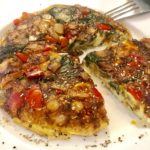
And if you enjoy eggs in the morning, you can try this Frying Pan Frittata. This recipe works very well with frozen veggies, and variations are commonly served as dinner at our house.  For a breakfast, this can serve two to four people.

Frying Pan Frittata

And if you enjoy eggs in the morning, you can try this frittata on the stovetop. This recipe works very well with frozen veggies, and variations are commonly served as dinner at our house. For a breakfast, this can serve two to four people. 

  • ½ small onion, chopped
  • 1 cup red and green peppers, sliced thin or chopped small
  • 4 cups spinach and/or other leafy greens, torn or chopped (1 cup if using frozen)
  • 1 tbsp extra-virgin olive oil or canola oil
  • 1/4 tsp garlic powder
  • 1/4 tsp black pepper
  • 1/2 tsp dried oregano and/or basil (or two tablespoons of chopped fresh herbs)
  • 4 eggs
  1. Use a medium-sized frying pan over medium heat and heat oil until shiny.

  2. Add the onion, stirring until just soft

  3. Add the peppers.

  4. Stir until the onions and peppers are very soft and just browning.

  5. Add the spinach/greens to the pan and stir until wilted and hot.

  6. Crack the eggs into a bowl and whisk them up with a fork until they’re uniformly yellow and a little foamy.

  7. Pour your eggs over all the veggies, turn the heat on low, and cover the pan.

  8. Shake the pan a few times during cooking, which more evenly distributes the eggs and prevents sticking.

  9. Check frittata after three to four minutes.

  10. If the eggs look done, loosen it with a spatula to make sure there is no runniness. If there is, cook thirty seconds to a minute longer, covered.

  11. Using a spatula, slide frittata gently onto a large plate and serve. We slice this up like a pizza.

Sources

Metabolic Effects of Intermittent Fasting. Annual Review of Nutrition, August 2017.

Time-restricted feeding for the prevention and treatment of cardiometabolic disorders. The Journal of Physiology, April 25, 2017.

Daily Eating Patterns and Their Impact on Health and Disease. Trends in Endocrinology and Metabolism, February 2016.

Breakfast and behavior in morning tasks: Facts or fads? Journal of Affective Disorders, December 15, 2017.

The effect of breakfast composition and energy contribution on cognitive and academic performance: A systematic review. American Journal of Clinical Nutrition, August 2014.

Higher breakfast glycaemic load is associated with increased metabolic syndrome risk, including lower HDL-cholesterol concentrations and increased TAG concentrations, in adolescent girls. British Journal of Nutrition, December 28, 2014.

A low glycemic load breakfast can attenuate cognitive impairments observed in middle aged obese females with impaired glucose tolerance. Nutrition, Metabolism, and Cardiovascular Diseases, October 2014.

The Benefits of Breakfast Cereal Consumption: A Systematic Review of the Evidence Base. Advances in Nutrition, September 1, 2014.

The post What’s a healthy breakfast? appeared first on Harvard Health Blog.


from Harvard Health Blog https://ift.tt/2p60ozO
Original Content By : https://ift.tt/1UayBFY

Wednesday, 12 September 2018

My Health - Orthorexia: The extreme quest for a healthy diet

The pursuit for the healthiest diet continues. Just as I was finishing writing this blog post, a new study came out suggesting that both low-carb and high-carb diets may shorten lifespan. In the 1980s and ‘90s, we were following the low-fat trend. These days, the ketogenic diet and the very-low-carb diet are all the rage. And if you think there is controversy about the right amount of carbohydrates, fats, and proteins you should eat, the conversation can get downright ugly if we start talking about specific items like gluten. Research continues to look for insight into the best diet for humans. But the relentless focus on diet and health may lead some people to obsessively seek a perfect “utopian” diet, a condition called orthorexia.

The difference between healthy eating and orthorexia

Orthorexia, although not yet recognized as a disease, is the obsessive fixation on healthy food and healthy eating. People with orthorexia are often on a stringent diet and may have anxiety about how much they eat, how certain foods are prepared, and where those foods came from. This behavior has hints of obsessive-compulsive disorder and anorexia nervosa. Some people feel very guilty if they do not follow the rigid plans they originally designed to have a healthy diet. Their lives are too focused on healthy eating, and they hardly ever have dinner with friends. They prefer starvation to eating “impure” foods. The result is social isolation and hours spent preoccupied and anxious about what to eat. It is important to note that people who choose to eat a specific diet for religious or environmental reasons, or to protect animal welfare and agricultural sustainability, are not considered to have orthorexia.

Cultural shifts about healthy eating

Growing up in the ‘80s, I hardly knew anyone who had dietary restrictions. Today it is very common to know people who strictly avoid certain foods. There are several theories to explain this new phenomenon: exposure to more toxins and chemical products in our foods; the advent of genetically modified organisms; the modern, more hygienic way of living (which is also blamed for the rise of allergies, asthma, and autoimmune diseases). But others think it may be partially related to the increased recognition and awareness of healthier habits and the significant influence of social media, blogs, health magazines, and clinicians who pontificate ideas of what is right and wrong in the nutritional world. All these factors, added to the avalanche of contradictory studies published almost daily about what we should eat, create the perfect storm for those who may have anxiety about health and avoiding illness.

When the quest for a healthy diet leans toward orthorexia

For those who have documented medical reasons to do so (for example, food allergies or celiac disease), a restricted diet is essential and sometimes lifesaving. But if you do not have much reason to support a restricted diet, and a rigid eating pattern negatively impacts your life and relationships with friends and family, consider looking for medical help, ideally a mental health clinician with whom you can talk about your concerns and underlying fears. Relaxation training, behavior modification strategies, and medications may also help with obsessive and compulsive thoughts. Try to avoid reading blogs and books from people who have radical opinions regarding specific food items. The information era has brought great advancement in publicizing tips about a healthy lifestyle, but the broadcast of extreme views may not be so healthy. Of course, eating a lot of sugar, flour, and red meat every day, all day, will not help you live a long and healthy life, but it doesn’t mean you can never touch them.

Most of the population will never need to avoid specific foods. If you suspect you might have a problem with a specific food item, before you make a final decision about eliminating it, first consult with your doctor. The aspiration to eat a healthy diet is not a problem in itself, but when these thoughts are excessive it may undermine the original goal. Food is one of the great pleasures in life; it is connection, it is culture, it is something to cherish. We should avoid going overboard toward notoriously unhealthy items, but we should be able to eat the most comprehensive diet possible. For most of us, eating nutritionally dense whole foods, mostly vegetarian and non-processed, rarely causes problems.

The post Orthorexia: The extreme quest for a healthy diet appeared first on Harvard Health Blog.


from Harvard Health Blog https://ift.tt/2CP1CcE
Original Content By : https://ift.tt/1UayBFY

Tuesday, 11 September 2018

My Health - Naps: Make the most of them and know when to stop them

During the first year of life, naps are crucial for babies (who simply cannot stay awake for more than a couple of hours at a time), and crucial for parents and caregivers, who need breaks from the hard work of caring for an infant.

But as children become toddlers and preschoolers, naps aren’t always straightforward. Children often fight them (following the “you snooze you lose” philosophy), and they can conflict with daily tasks (such as school pick-up when there are older siblings) or lead to late bedtimes.

Here are some tips for making naps work for you and your child — and for knowing when they aren’t needed anymore.

Making naps work for your baby

Most infants will take at least two naps during the day, and early in toddlerhood most children will still take both a morning nap and an afternoon nap. Naps are important not just for physical rest and better moods, but also for learning: sleep allows us to consolidate new information. As children get older, they usually drop one of the naps, most commonly the morning nap.

Every child is different when it comes to napping. Some need long naps, some do fine with catnaps, some will give up naps earlier than others. Even within the same family, children can be different. A big part of making naps work is listening to and learning about your child’s temperament and needs. Otherwise, you can end up fighting losing battles.

The needs of a parent or caregiver are also important: everyone needs a break. Sometimes those breaks are particularly useful at specific times of the day (like meal prep time). While you can’t always make a child be sleepy at the most convenient time for you, it’s worth a try — which leads me to the first tip:

Schedule the naps. Instead of waiting for a child to literally drop and fall asleep, have a regular naptime. We all do better when our sleep routines are regular, even adults. If you can, put the child down awake (or partially awake). Learning to fall asleep without a bottle or a breast, or without being held, is a helpful skill for children to learn and can lead to better sleep habits as they grow.

A couple of scheduling notes:

  • If you need a child to fall asleep earlier or later than they seem to do naturally, try to adjust the previous sleep time. For example, if you need an earlier morning nap, wake the child up earlier in the morning. It may not work, but it’s worth a try.
  • Naps later in the afternoon often mean that a child won’t be sleepy until later in the evening. That may not be a problem, but for parents who get tired early or need to get up early, it can be. Try to move the nap earlier, or wake the child earlier. If the problematic afternoon nap is in daycare, talk to the daycare provider about moving or shortening it.

Create a space that’s conducive to sleep. Some children can sleep anywhere and through anything, but most do best with a space that is quiet and dark. A white noise machine (or even just a fan) can also be helpful.

Don’t use screens before naptime or bedtime. The blue light emitted by computers, tablets, and phones can wake up the brain and make it harder for children to fall asleep.

When is it time to give up naps?

Most children give up naps between the ages of 3 and 5. If a child can stay up and be pleasant and engaged throughout the afternoon, they are likely ready to stop. Some crankiness in the late afternoon and early evening is okay; you can always just get them to bed earlier.

One way to figure it out, and ease the transition, is to keep having “quiet time” in the afternoon. Have the child go to bed, but don’t insist on sleep; let them look at books or play quietly. If they stay awake, that’s a sign that they are ready to stop. If they fall asleep but then end up staying up very late, that’s another sign that the afternoon nap needs to go.

Whether or not your child naps, having some quiet time without screens every afternoon is a good habit to get into. It gives your child and everyone else a chance to relax and unwind, and sets a placeholder not just for homework but also for general downtime as children grow — and just like naps for babies, downtime for big kids is crucial.

Follow me on Twitter @drClaire

The post Naps: Make the most of them and know when to stop them appeared first on Harvard Health Blog.


from Harvard Health Blog https://ift.tt/2x2WiNi
Original Content By : https://ift.tt/1UayBFY

Monday, 10 September 2018

My Health - Preterm birth and heart disease risk for mom

If you delivered a baby early, you may want to pay closer attention to your heart health. A study published in the journal Hypertension shows that a history of preterm birth (defined as a birth before the 37th week of pregnancy) may bring health risks for not only for baby, but for mom, too.

The study found that women who delivered a baby preterm were more likely to experience rising blood pressures later, compared to women who delivered closer to term. If they had this pattern, they were also more likely to show signs of coronary artery disease, which is associated with an increased risk of heart attack and stroke.

Because of the unique demands that pregnancy places on a woman’s body, it may serve as a stress test for a woman’s heart, says Dr. JoAnn E. Manson, the Michael and Lee Bell Professor of Women’s Health at Harvard Medical School. Pregnancy-related conditions (for example, gestational diabetes and pre-eclampsia) are known to raise a woman’s risk of developing cardiovascular disease. Preterm birth should now join that list, says Dr. Manson.

“I think this study adds to the mounting evidence that preterm birth is yet another complication of pregnancy that indicates a higher risk of cardiovascular disease in the mother,” she says.

The association between early birth and heart disease risk

The study looked at data from more than 1,000 mothers in several major US cities. Researchers divided the women into three categories — “low stable,” “moderate,” and “moderate increasing” — based on how their systolic blood pressure (the first number in a reading) changed over time. Women who had what was defined as “moderate increasing” blood pressure were 19% more likely to have delivered a baby early than women with “low stable” blood pressure. In addition, more than 38% of the “moderate increasing” group developed coronary artery calcifications (a marker for higher risk of future heart attack), seen on CT heart scans, compared with 12.2% of the “low stable” group. Women who had both a preterm delivery and “moderate increasing” blood pressure had more than double the risk of developing arterial calcifications, compared with women who delivered at term and had a lower blood pressure pattern.

The associations researchers found were stronger in women who experienced high blood pressure conditions during pregnancy, but were also found in women who did not. Interestingly, women who had a “moderate increasing” blood pressure pattern but delivered a full-term baby didn’t seem to have excess risk for artery calcifications.

But not all preterm births bring the same potential heart risks. The study authors found that a preterm birth alone wasn’t enough to raise risk. That happened only when women had both a preterm birth and a pattern of increasing blood pressure in the years that followed. This may be the case because there are other factors that can result in a preterm birth, such as carrying twins or other multiples, or having a physical problem with the cervix, says Dr. Manson. For women with such conditions, a preterm delivery would not be expected to reflect higher cardiovascular risks, says Dr. Manson.

If you gave birth early, pay attention to all heart disease risk factors

Having a preterm birth or other pregnancy-related complications doesn’t mean you are doomed to develop cardiovascular disease. Steps you can take to reduce your risk include the following:

  • Discuss your pregnancy history with your doctor. Your doctor should be aware that you delivered preterm and should also know about any other pregnancy-related complications you had, such as gestational diabetes or pre-eclampsia — and should understand that it may raise your risk for future heart disease.
  • Track your blood pressure. “Your blood pressure should be monitored closely, at least once a year, and preferably more often,” says Dr. Manson. Self-monitoring using a blood pressure machine monthly at home might also help you spot troubling trends early. Blood pressure should ideally remain below 120/80 mm Hg. If it rises above that level, discuss it with your doctor.
  • Maintain a healthy diet and lifestyle. It’s been said a million times before, but eating a well-balanced diet rich in fruits, vegetables, and whole grains can help head off cardiovascular disease. Avoid excess sodium, red meat, and heavily processed foods whenever possible. And of course, don’t smoke, and make time to squeeze in regular exercise.

The post Preterm birth and heart disease risk for mom appeared first on Harvard Health Blog.


from Harvard Health Blog https://ift.tt/2Nukguu
Original Content By : https://ift.tt/1UayBFY

Sunday, 9 September 2018

My Health - 12 Natural Painkillers In Your Kitchen That Give You Instant Relief

12 Natural Painkillers In Your Kitchen That Give You Instant Relief


Health and Fitness Tips
Health is the level of functional and metabolic efficiency of a living organism. In humans it is the ability of individuals or communities to adapt and self-manage when facing physical, mental, psychological and social changes with environment.

Friday, 7 September 2018

My Health - Tired? 4 simple ways to boost energy

When I’m dragging and feeling tired during the occasional low-energy day, my go-to elixir is an extra cup (or two or three) of black French press coffee. It gives my body and brain a needed jolt, but it may not help where I need it the most: my cells.

The cellular basis of being tired

What we call “energy” is actually a molecule called adenosine triphosphate (ATP), produced by tiny cellular structures called mitochondria. ATP’s job is to store energy and then deliver that energy to cells in other parts of the body. However, as you grow older, your body has fewer mitochondria. “If you feel you don’t have enough energy, it can be because your body has problems producing enough ATP and thus providing cells with enough energy,” says Dr. Anthony Komaroff, professor of medicine at Harvard Medical School. You may not be able to overcome all aspects of age-related energy loss, but there are ways to help your body produce more ATP and replenish dwindling energy levels. The most common strategies revolve around three basic concepts: diet, exercise, and sleep.

Diet. Boost your ATP with fatty acids and protein from lean meats like chicken and turkey, fatty fish like salmon and tuna, and nuts. While eating large amounts can feed your body more material for ATP, it also increases your risk for weight gain, which can lower energy levels. “The excess pounds mean your body has to work harder to move, so you use up more ATP,” says Dr. Komaroff. When lack of energy is an issue, it’s better to eat small meals and snacks every few hours than three large meals a day, according to Dr. Komaroff. “Your brain has very few energy reserves of its own and needs a steady supply of nutrients,” he says. “Also, large meals cause insulin levels to spike, which then drops your blood sugar rapidly, causing the sensation of fatigue.”

Drink enough water. If your body is short on fluids, one of the first signs is a feeling of fatigue. Although individual needs vary, the Institute of Medicine recommends men should aim for about 15 cups (3.7 liters) of fluids per day, and women about 12 cups (2.7 liters). Besides water and beverages like coffee, tea, and juices, you can also get your fluids from liquid-heavy fruits and vegetables that are up to 90% water, such as cucumbers, zucchini, squash, strawberries, citrus fruit, and melons.

Get plenty of sleep. Research suggests that healthy sleep can increase ATP levels. ATP levels surge in the initial hours of sleep, especially in key brain regions that are active during waking hours. Talk with your doctor if you have problems sleeping through the night.

Stick to an exercise routine. Exercise can boost energy levels by raising energy-promoting neurotransmitters in the brain, such as dopamine, norepinephrine, and serotonin, which is why you feel so good after a workout. Exercise also makes muscles stronger and more efficient, so they need less energy, and therefore conserve ATP. It doesn’t really matter what kind of exercise you do, but consistency is key. Some research has suggested that as little as 20 minutes of low-to-moderate aerobic activity, three days a week, can help sedentary people feel more energized.

When being tired warrants a visit to your doctor

You should see your doctor if you experience a prolonged bout of low energy, as it can be an early warning of a serious illness. “Unusual fatigue is often the first major red flag that something is wrong,” says Dr. Komaroff. Lack of energy is a typical symptom for most major diseases, like heart disease, many types of cancer, autoimmune diseases such as lupus and multiple sclerosis, and anemia (too few red blood cells). Fatigue also is a common sign of depression and anxiety. And fatigue is a side effect of some medications.

The post Tired? 4 simple ways to boost energy appeared first on Harvard Health Blog.


from Harvard Health Blog https://ift.tt/2wN6DMA
Original Content By : https://ift.tt/1UayBFY

Thursday, 6 September 2018

My Health - Why pregnant and nursing mothers shouldn’t smoke marijuana

As more states legalize marijuana, the number of pregnant women who smoke marijuana is rising — and this could be really bad for babies.

In 2002, 2.3% of pregnant women used marijuana. In 2014, that number was up to 3.84%, a rise of two-thirds. To make matters worse, the amount of tetrahydrocannabinol (THC) in marijuana has quadrupled. THC is the active ingredient in marijuana, the chemical that gives the “high.”

We don’t know all the effects of THC on infants, but we know enough that the American Academy of Pediatrics (AAP) has issued a statement warning parents.

THC can pass easily through the placenta and into the bloodstream of a developing baby. Studies suggest that when it does, it can affect the brain. Because babies are still developing, anything that affects that development can lead to permanent changes. THC can affect something called executive function. These are skills such as concentration, attention, impulse control, and problem solving; they are crucial skills for learning and life success. Studies also suggest that children who have prenatal exposure to marijuana may have a higher risk of substance use disorder or mental illness.

THC also passes into breast milk. That means that it’s still not okay to smoke marijuana after birth, because the brains of infants are actively developing — actually they are actively developing for the first three or so years of life. The effects of secondhand marijuana smoke on kids appear to last even longer, with possibly permanent effects on executive function continuing even through the teenage years.

As with alcohol, it’s impossible to say for sure what a safe amount is during pregnancy. The safest thing is not to use it at all, and to not take any form of it while breastfeeding or to smoke it around children. Some women use it to manage the nausea of pregnancy, but there are many other ways of managing nausea.

When you are pregnant and parenting, it’s no longer just about you. The choices you make could have a lifelong effect on your child — so make good choices.

Follow me on Twitter @drClaire

The post Why pregnant and nursing mothers shouldn’t smoke marijuana appeared first on Harvard Health Blog.


from Harvard Health Blog https://ift.tt/2M4VJHt
Original Content By : https://ift.tt/1UayBFY

Wednesday, 5 September 2018

My Health - 6 Skin Cancer Symptoms You Should Know

6 Skin Cancer Symptoms You Should Know


Health and Fitness Tips
Health is the level of functional and metabolic efficiency of a living organism. In humans it is the ability of individuals or communities to adapt and self-manage when facing physical, mental, psychological and social changes with environment.

My Health - Healthy lifestyle can prevent diabetes (and even reverse it)

The rate of type 2 diabetes is increasing around the world. Type 2 diabetes is a major cause of vision loss and blindness, kidney failure requiring dialysis, heart attacks, strokes, amputations, infections and even early death. Over 80% of people with prediabetes (that is, high blood sugars with the high risk for developing full-blown diabetes) don’t know it. Heck, one in four people who have full-blown diabetes don’t know they have it! Research suggests that a healthy lifestyle can prevent diabetes from occurring in the first place and even reverse its progress.

Can a healthy diet and lifestyle prevent diabetes?

The Diabetes Prevention Program (DPP), a large, long-term study, asked the question: we know an unhealthy diet and lifestyle can cause type 2 diabetes, but can adopting a healthy diet and lifestyle prevent it? This answer is yes: the vast majority of prediabetes and type 2 diabetes can be prevented through diet and lifestyle changes, and this has been proven by 20 years of medical research.

Researchers from the DPP took people at risk for type 2 diabetes and gave them a 24-week diet and lifestyle intervention, a medication (metformin), or placebo (a fake pill), to see if anything could lower their risk for developing diabetes. The very comprehensive diet and lifestyle intervention had the goal of changing participants’ daily habits, and included: 16 classes teaching basic nutrition and behavioral strategies for weight loss and physical activity; lifestyle coaches with frequent contact with participants; supervised physical activity sessions; and good clinical support for reinforcing an individualized plan.

Perhaps not surprisingly, the diet and lifestyle intervention was incredibly effective. After three years, the diet and lifestyle group had a 58% lower risk of developing diabetes than the placebo group. Participants aged 60 and older had an even better response, with a whopping 71% lower risk of developing diabetes. The diet and lifestyle effect lasted: even after 10 years, those folks had a 34% lower risk of developing diabetes compared to placebo. Men, women, and all racial and ethnic groups had similar results (and almost half of participants represented racial and ethnic minorities). These results are not surprising to me or to other doctors, because we have all seen patients with prediabetes or diabetes get their sugars down with diet, exercise, and weight loss alone.

Meanwhile, the medication group had a 31% lower risk of diabetes after three years, and an 18% lower risk after 10 years, which is also significant. It’s perfectly all right to use medications along with diet and lifestyle changes, because each boosts the effect of the other. Studies looking at the combination of medication (metformin) with diet and lifestyle changes have shown an even stronger result.

Dietary recommendations to prevent diabetes (and even reverse it)

  • Decrease intake of added sugars and processed foods, including refined grains like white flour and white rice. This especially includes sugary drinks, not only sodas but also juices. The best drinks are water, seltzer, and tea or coffee without sugar.
  • Swap out refined grains for whole grains. Whole grains are actually real grains that haven’t been stripped of nutrients in processing. Foods made from 100% whole grain (like whole wheat) are okay, but intact whole grains (like farro, quinoa, corn, oatmeal, and brown rice) are even better. Swapping out grains for starchy veggies (like potatoes) is also okay, as long as these veggies aren’t in the form of french fries!
  • Increase fiber intake. High-fiber foods include most vegetables and fruits. Legumes are also high in fiber and healthy plant protein. Legumes include lentils, beans, chickpeas, peas, edamame, and soy. People who eat a lot of high-fiber foods tend to eat fewer calories, weigh less, and have a lower risk of diabetes.
  • Increase fruits and vegetables intake. At least half of our food intake every day should be non-starchy fruits and vegetables, the more colorful the better. Cruciferous vegetables like broccoli, cauliflower, and Brussels sprouts, and high-fiber fruits like berries of all kinds, are especially healthy. All fruits and vegetables are associated with living a significantly longer and healthier life!
  • Eat less meat, and avoid processed red meat. Many studies have shown us that certain meats are incredibly risky for us. People who eat processed red meat are far more likely to develop diabetes: one serving a day (which is two slices of bacon, two slices of deli meat, or one hot dog) is associated with over a 50% higher risk of developing type 2 diabetes. Eating even a small portion of red meat daily (red meat includes beef, lamb, and pork), like a palm-sized piece of steak, is associated with a 20% increased risk of type 2 diabetes. This may be because of the iron in red meats, and the chemicals in processed meats. As a matter of fact, the less meat you eat, the lower your risk of diabetes. People who don’t eat red meat at all, but do eat chicken, eggs, dairy, and fish, can significantly lower their risk of developing type 2 diabetes, by about 30%; those who eat only fish, 50%; those who eat only eggs and dairy, 60%; those who are vegan, 80%.
  • Eat healthier fats. Fat is not necessarily bad for you. What kind of fat you’re eating really does matter. Saturated fats, particularly from meats, are associated with an increased risk of diabetes and heart disease. Plant oils, such as extra-virgin olive oil and canola oil, carry less risk. Omega-3 fats, like in walnuts, flax seeds, and some fish, are actually quite good for you.

Diet and lifestyle changes that can help prevent diabetes

Diet and lifestyle changes are so effective for diabetes prevention that as of April 2018, insurance companies are now covering these programs for people at risk. The CDC’s Diabetes Prevention Program, used in many clinics, is a free tool to help you learn and stick with the healthy diet, physical activity, and stress management techniques that reduce your risk of diabetes.

One helpful tool is the Harvard School of Public Health Nutrition Source Healthy Eating Plate, which shows you what your daily food intake should look like: half fruits and vegetables, about a quarter whole grains, and a quarter healthy proteins (plant protein is ideal here), with some healthy fats and no-sugar-added beverages. The Harvard Health Blog also offers many articles with recipes and cooking videos to help you create a healthier, diabetes-free lifestyle.

Resources

New CDC report: More than 100 million Americans have type 2 diabetes or prediabetes. CDC Newsroom, July 18, 2017.

Reduction in the incidence of Type 2 diabetes with lifestyle intervention or with metformin. New England Journal of Medicine, February 7, 2002.

10-year follow-up of diabetes incidence and weight loss in the Diabetes Prevention Program Outcomes Study. The Lancet, November 14, 2009.

Fruit and vegetable intake and the risk of cardiovascular disease, total cancer and all-cause mortality—a systematic review and dose-response meta-analysis of prospective studies. International Journal of Epidemiology, June 1, 2017.

The post Healthy lifestyle can prevent diabetes (and even reverse it) appeared first on Harvard Health Blog.


from Harvard Health Blog https://ift.tt/2NkyVZ9
Original Content By : https://ift.tt/1UayBFY